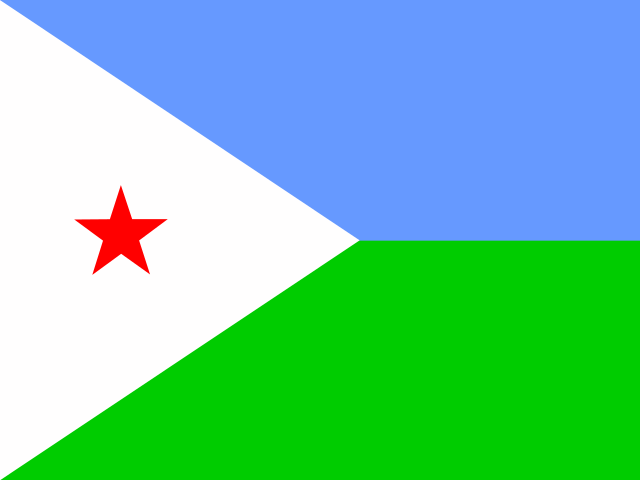
 Djibouti
Comprehensive education database information
Education System in Djibouti
Overview of Djibouti
Djibouti, located in the eastern part of Africa, occupies a strategic position on the Horn of Africa. It shares borders with Eritrea, Ethiopia, Somalia, and the Gulf of Aden. The nation has a modest population of approximately 506,221, with a literacy rate of around 67.9%. The official languages spoken are French and Arabic. Djibouti has a rich history that dates back thousands of years, initially inhabited by traders who engaged in commerce with civilizations from Egypt, India, and China. It transitioned from a French colony known as French Somaliland in 1862 to gaining independence as the Republic of Djibouti on June 27, 1997. The education system is administered by the Ministère de l’Education Nationale et de la Formation Professionnelle.
Introduction to the Education System
The education system in Djibouti is largely inspired by French educational models and aims to provide free education for all. Despite this ambition, the country faces significant challenges due to its economic conditions. French serves as the primary language of instruction within the educational institutions, reflecting the historical influence of France.
Education Levels in Djibouti
Primary Education
- Duration: Education is provided for a period of 5 years.
- Compulsory: While education is mandatory for children aged 6 to 15, the enforcement of attendance is limited, and many students exit the system after completing just four years.
- Gender Disparity: There is a notable gap in enrollment and completion rates between boys and girls, with girls significantly underrepresented.
Middle Education
- Duration: This level consists of a 4-year program that completes the compulsory education phase.
- Curriculum: The curriculum encompasses a range of traditional academic subjects, aiming to provide a well-rounded education.
- Gender Disparity: Female enrollment is approximately 25% lower than that of males, highlighting ongoing issues in gender equity within the education sector.
Secondary Education
- Duration: Secondary education lasts for 3 years, offering various pathways for students.
- Opportunities: This stage opens up further educational opportunities; however, access to continued education often hinges on the financial status of students' families.
- Private vs Public: About 25% of secondary schools are privately operated, which tend to deliver a higher quality of education compared to their public counterparts.
Vocational Education
- Technical Education: Vocational programs span 3 years, culminating in the awarding of diplomas that prepare students for the workforce.
- Vocational Schools: These institutions provide a 2-year program focused on practical skills that align with job market needs.
Tertiary Education
-
Institution: The Université de Djibouti serves as the only tertiary education institution in the country, established in 2006.
-
Programs Offered: It offers a range of undergraduate and graduate programs in various fields, including:
- Pure Sciences
- Life Sciences
- Civil & Industrial Engineering
- Liberal Arts
-
Quality of Education: The university is committed to maintaining high educational standards, employing a carefully selected teaching staff and fostering collaborations with esteemed international academics.
-
Language of Instruction: Instruction at the university is primarily conducted in French.
In summary, the education system in Djibouti is characterized by its efforts to provide accessible education amidst various challenges, with an ongoing focus on improving gender parity and educational quality across all levels.