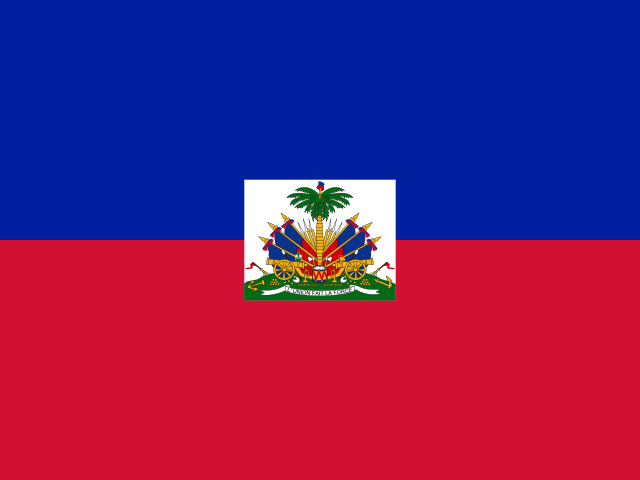
 Haiti
Haiti
Comprehensive education database information
Education System in Haiti
Haiti, a Caribbean nation located on the western side of Hispaniola, shares the island with the Dominican Republic. With Port-au-Prince as its capital, Haiti has a rich yet tumultuous history dating back to the arrival of Christopher Columbus in 1492. Over the centuries, the island has been a focal point of European colonization, leading to the establishment of Haiti as the first independent Black republic in 1804. The official language is French, and the education system in Haiti draws heavily from the French model, reflecting its colonial past.
Overview of the Education System
Haiti's education system is marked by significant challenges, particularly following the devastating earthquake in 2010 that resulted in the destruction of numerous schools. The system struggles with low literacy rates, insufficient resources, and a pronounced gap between the affluent and the underprivileged. Despite these obstacles, education remains a critical avenue for social mobility and national development.
Primary Education
Structure and Characteristics
- Duration: Primary education typically spans six years, starting at age six.
- Schools: Approximately 15,200 primary institutions exist, predominantly run by communities or funded by religious organizations.
- Medium of Instruction: Classes are conducted mainly in Creole, which aims to bolster national identity but often limits educational access for lower socioeconomic groups.
Enrollment and Literacy
- Enrollment Rate: Only about 30% of eligible children are enrolled in primary education, indicating a substantial number of youths lacking formal schooling.
- Literacy Rates: The literacy rate stands at approximately 55%, affecting both genders equally.
Secondary Education
Examination and Challenges
- Certification Examination: Less than 2% of students pass the national sertific examination at the end of the fifth grade. The examination is conducted in French, creating a barrier for many students who are not proficient in the language.
- Learning Environment: Students often face chaotic conditions in schools. In rural areas, challenges include:
- Teachers who are inadequately prepared.
- Scarcity of educational materials.
- Classrooms that are frequently in a state of disrepair.
Educational Migration
Children from wealthier families often seek educational opportunities abroad or enroll in better-resourced institutions, further deepening the divide in educational quality.
Vocational Education
Opportunities and Challenges
- Affluent Families: Students from wealthier backgrounds generally have access to higher education at both local and international universities.
- Rural Challenges: Many rural youths remain engaged in subsistence farming, facing limited opportunities for upward mobility.
- Vocational Training: Those seeking vocational education often encounter significant travel and living costs when accessing urban training programs.
International Aid
Several organizations are partnering with Haitian authorities to enhance vocational training in rural regions. However, the lack of job prospects beyond agriculture raises questions about the long-term success of these initiatives.
Tertiary Education
Accessibility and Quality
- Constitutional Rights: The Haitian constitution guarantees free education; however, in practice, this benefit is primarily accessible to the affluent.
- Post-Earthquake Obstacles: The aftermath of the 2010 earthquake continues to affect students, hampering their educational pursuits.
- Emigration Trends: A significant 85% of college-educated Haitians seek to live abroad, often in search of better job opportunities.
Institutions of Higher Learning
Haiti is home to 13 universities, with a notable proportion affiliated with religious institutions. These universities offer various programs aimed at addressing the educational needs of the population, but they also face challenges in resources and infrastructure.
Conclusion
Haiti's education system, rooted in a complex historical context, faces multifaceted challenges that require comprehensive reform and investment. Addressing these issues is crucial for improving literacy rates, expanding access to education, and ultimately fostering a more equitable society. The commitment of both local leaders and international partners will be essential in transforming the educational landscape for future generations.