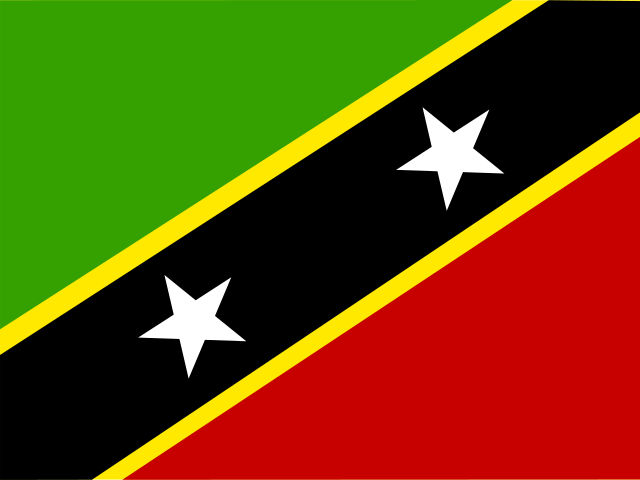
 Saint Kitts and Nevis
Comprehensive education database information
Education System in Saint Kitts and Nevis
Saint Kitts and Nevis, a small twin-island nation located in the Caribbean, is known for its lush landscapes, vibrant culture, and rich history. The country has a population of approximately 53,000 residents and operates under a parliamentary democracy. Its economy is primarily based on tourism, agriculture, and offshore financial services. The islands have made significant advancements in various sectors, including education, which plays a vital role in the nation's development and future prosperity.
Overview of the Education System
The education system in Saint Kitts and Nevis is designed to provide quality learning opportunities for all students. The government prioritizes education as a fundamental right and has made considerable efforts to improve access and the standard of education across the islands. The system is structured into various levels, catering to the educational needs of children and young adults from early childhood through tertiary education.
Levels of Education
Early Childhood Education
Early childhood education is an essential foundation in Saint Kitts and Nevis, focusing on the development of children from birth to age six. Programs are available through:
- Preschools: These institutions offer a safe and nurturing environment where children can engage in play-based learning.
- Kindergartens: Typically catering to children aged five to six, kindergartens emphasize social, emotional, and cognitive development, preparing children for primary education.
Primary Education
Primary education in Saint Kitts and Nevis is mandatory and typically begins at age six. The primary education cycle lasts for six years and includes:
- Curriculum: The curriculum is designed to provide a well-rounded education, covering subjects such as English, Mathematics, Science, Social Studies, and Arts.
- Assessment: Students undergo assessments at the end of their primary schooling, which helps determine their readiness for secondary education.
Secondary Education
Secondary education follows primary education and lasts for five years, accommodating students aged 12 to 17. Key features include:
- Curriculum: The secondary curriculum is more specialized, offering a range of subjects including languages, sciences, technical and vocational education, and the humanities.
- Examinations: Students typically take the Caribbean Secondary Education Certificate (CSEC) examinations at the end of their secondary schooling, which are crucial for further education or employment opportunities.
Tertiary Education
Tertiary education in Saint Kitts and Nevis includes various institutions that offer advanced learning opportunities:
- Community College: The Clarence Fitzroy Bryant College provides diploma and degree programs in fields such as business, education, and healthcare.
- Universities: Students have the option to pursue higher education at regional universities, including the University of the West Indies, which offers a range of undergraduate and postgraduate programs.
Additional Educational Opportunities
Adult Education
Recognizing the importance of lifelong learning, Saint Kitts and Nevis offers adult education programs aimed at providing skills training and literacy improvement. These programs are designed to enhance employability and support personal development.
Special Education
The education system also emphasizes inclusivity, providing special education services for students with disabilities. These services aim to ensure that all children have access to quality education tailored to their individual needs.
Conclusion
The education system in Saint Kitts and Nevis reflects the nation's commitment to fostering a well-educated population that can contribute positively to society. Through various levels of education, from early childhood to tertiary institutions, the country strives to equip its citizens with the knowledge and skills necessary for personal and professional success. As the nation continues to evolve, it remains dedicated to improving educational outcomes and ensuring equitable access for all.