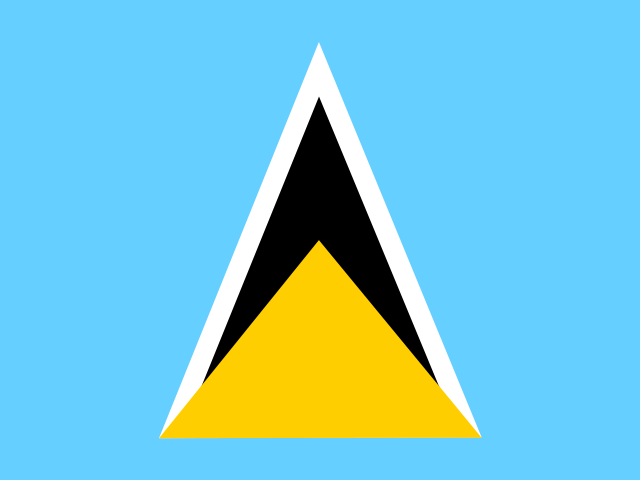
 Saint Lucia
Comprehensive education database information
Education System in Saint Lucia
Saint Lucia, an island nation in the Caribbean, is known for its stunning natural beauty and vibrant culture. The country boasts a rich history influenced by both French and British colonialism, which is reflected in its official language, English, and its diverse cultural practices. The economy primarily relies on tourism, agriculture, and services, providing a unique backdrop for its educational framework.
Overview of the Education System
The education system in Saint Lucia is designed to foster the intellectual and personal development of its students. It aims to provide quality education that is accessible to all citizens. The educational framework is structured into several levels, each tailored to meet the developmental needs of students and to prepare them for successful futures.
Levels of Education
Early Childhood Education
Early childhood education in Saint Lucia serves as a foundation for lifelong learning. This stage typically includes:
- Age Group: Children aged 3 to 5 years.
- Objective: To promote social, emotional, physical, and cognitive development.
- Programs Offered: Nursery schools and preschool programs are available, often run by private organizations and the government.
Primary Education
Primary education is compulsory and aims to provide students with essential knowledge and skills. Key features include:
- Duration: Lasts for six years, generally for children aged 6 to 11.
- Curriculum: Focuses on core subjects such as language arts, mathematics, science, and social studies.
- Assessment: Students are assessed through various methods, including national examinations at the end of the primary cycle.
Secondary Education
Secondary education follows primary education and plays a crucial role in preparing students for higher education or vocational paths. Important aspects include:
- Duration: Typically spans five years for students aged 12 to 16.
- Types of Schools: Includes both public and private institutions, with some offering specialized programs.
- Curriculum: Covers a wide range of subjects, including sciences, humanities, and technical education, culminating in the Caribbean Secondary Education Certificate (CSEC) examinations.
Tertiary Education
Tertiary education in Saint Lucia provides opportunities for advanced learning and skill development. Key components include:
- Institutions: Includes universities, colleges, and vocational training centers.
- Programs Offered: A variety of programs ranging from diplomas to bachelor's degrees and professional certifications.
- Focus Areas: Emphasis on fields such as business, education, healthcare, and technology, catering to the needs of the local and regional job markets.
Adult and Continuing Education
Recognizing the importance of lifelong learning, Saint Lucia offers adult education and continuing education programs. These initiatives focus on:
- Skill Development: Programs aimed at improving skills for better employment opportunities.
- Accessibility: Flexible learning options, including evening classes and online courses, to accommodate working adults.
- Community Education: Courses designed to enhance personal development and community engagement.
Conclusion
The education system in Saint Lucia is a comprehensive framework that strives to equip students with the knowledge and skills necessary for success in an ever-evolving world. By focusing on quality education at all levels, from early childhood through tertiary and adult education, the system plays a vital role in fostering a well-educated population ready to meet the challenges of the future.