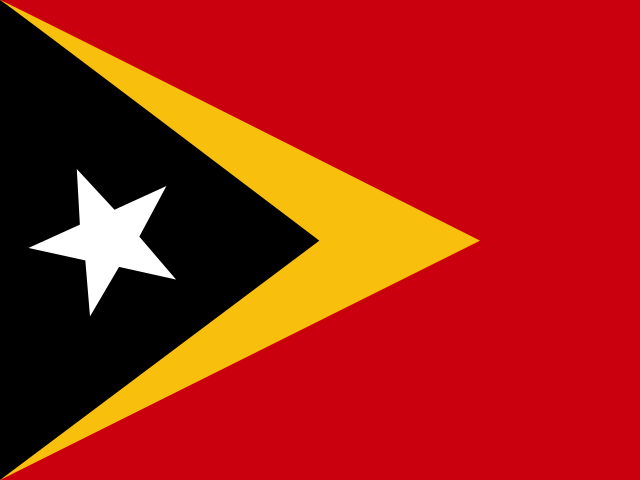
 Timor-Leste
Comprehensive education database information
Education System in Timor-Leste
Overview of Timor-Leste
Timor-Leste, also known as East Timor, is a Southeast Asian nation located on the eastern half of the island of Timor. It gained independence from Indonesia in 2002 and has since been working to develop its infrastructure and systems, including education. The country is characterized by a diverse culture influenced by its history and various ethnic groups, with Tetum and Portuguese recognized as the official languages. Timor-Leste faces challenges such as poverty and limited resources, which impact its educational landscape.
Introduction to the Education System
The education system in Timor-Leste is designed to promote access to learning and improve literacy rates among its population. Despite facing significant hurdles, such as a lack of facilities and trained teachers, the government has made strides in reforming and expanding educational opportunities. The system is structured into several levels, reflecting a commitment to providing education for all children, from early childhood to higher education.
Levels of Education
Early Childhood Education
Early childhood education in Timor-Leste is aimed at children aged 3 to 5 years. This foundational stage focuses on:
- Socialization: Helping children interact with peers.
- Basic Skills Development: Introducing fundamental concepts in language, numeracy, and motor skills.
Early childhood education is provided through community-based programs and private institutions, with an emphasis on inclusivity and accessibility.
Primary Education
Primary education is compulsory for children aged 6 to 14 years. It typically lasts for six years and is divided into two cycles:
-
First Cycle (Grades 1-3):
- Focuses on basic literacy and numeracy.
- Introduces subjects such as science, social studies, and arts.
-
Second Cycle (Grades 4-6):
- Expands on the foundation laid in the first cycle.
- Increases emphasis on critical thinking and problem-solving skills.
The government has been working to improve the quality of primary education through teacher training and curriculum development.
Secondary Education
Secondary education in Timor-Leste comprises two stages and is not mandatory. It typically spans three years in junior secondary (Grades 7-9) and two years in senior secondary (Grades 10-12). Key features include:
- Curriculum Diversity: Subjects offered include science, mathematics, languages, and vocational training.
- Preparation for Higher Education: Senior secondary education is designed to equip students with the necessary knowledge and skills for university or vocational training.
Higher Education
Higher education in Timor-Leste is provided by several universities and institutions, including both public and private entities. The higher education system aims to foster critical thinking, research skills, and professional competencies. Key aspects include:
- Diverse Fields of Study: Programs cover various disciplines such as arts, sciences, engineering, and health.
- Challenges: Higher education faces issues such as limited funding, infrastructure deficits, and the need for more qualified faculty.
Adult and Non-Formal Education
Recognizing the importance of lifelong learning, Timor-Leste offers adult education programs aimed at improving literacy and vocational skills among adults. These programs provide opportunities for:
- Skill Development: Tailored courses to enhance employability and support economic development.
- Community Engagement: Initiatives that promote awareness and participation in civic activities.
Conclusion
The education system in Timor-Leste is evolving, with a focus on inclusivity and quality improvement. While challenges remain, the commitment to expanding access to education and enhancing the learning environment reflects the nation’s aspirations for a brighter future. Through continued reforms and support, Timor-Leste aims to create an education system that meets the needs of its diverse population and fosters sustainable development.