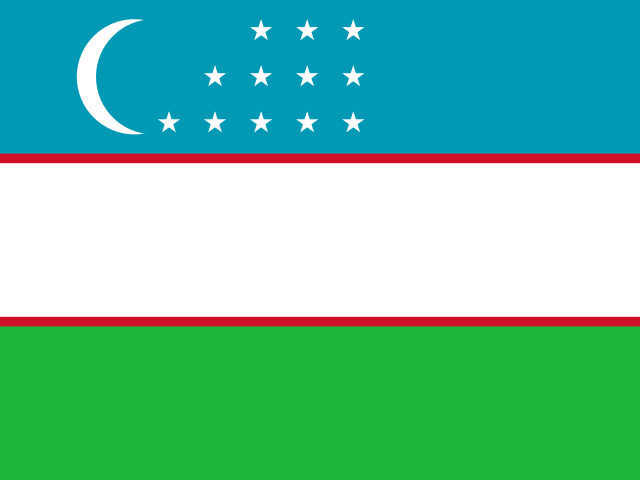
 Uzbekistan
Comprehensive education database information
Education System in Uzbekistan
Uzbekistan, a Central Asian nation with a rich historical heritage, has been undergoing significant transformation in various sectors, including education. The country is characterized by a diverse cultural background and a commitment to enhancing its educational framework. The government emphasizes the importance of education as a catalyst for national development and social progress.
Overview of the Education System
Uzbekistan's education system is designed to ensure 11 years of compulsory and free education for all children. This system is organized into three primary levels: primary education, secondary education, and tertiary education. Each level has specific objectives and structures that cater to the educational needs of the population.
Primary Education
Key Features
- Duration: Primary education lasts for 4 years.
- Starting Age: Children typically begin their education at the age of 6.
- Assessment: At the end of primary education, there is no formal examination required for students to progress.
This foundational stage aims to provide students with essential skills and knowledge, preparing them for further educational pursuits.
Secondary Education
Uzbekistan's secondary education is divided into two distinct phases:
General Secondary School
- Duration: This phase lasts for 5 years.
- Age Range: Students are generally aged between 10 and 15 years during this period.
Upon completing general secondary school, students have various options for their next steps, which include:
Upper Education Options
-
General Secondary Schools (2-3 years)
- These institutions offer a certificate indicating the completion of secondary education.
- Graduates are eligible to apply for university admission.
-
Technical Vocational Schools (2-3 years)
- These schools provide a diploma in specialized secondary education.
- They operate under a network of secondary vocational institutions aimed at equipping students with practical skills.
Vocational Education
Context and Programs
With relatively high unemployment rates, Uzbekistan recognizes a pressing need for vocational education that aligns with market demands. The government has initiated various state and donor-funded programs to address skill shortages in the workforce.
Goals
The primary objective of vocational training is to ensure that the skills acquired by students meet European Union standards, thereby enhancing employability and promoting economic development.
Tertiary Education
Non-University Level
Tertiary education in Uzbekistan also includes non-university programs provided by:
- National enterprise training centers
- Business schools
- Specialized lyceums
These institutions focus on cultivating professionals in emerging economic and service sectors.
Higher Education
Higher education is available through numerous universities and over 50 higher education institutions across the country.
Notable Institution
Among these, the Taškent Islamic University stands out, having been established in recent years. It is located near the mausoleum of a significant historical figure, the grandfather of the Mughal Emperor Babur, which dates back to the 15th Century.
Conclusion
Uzbekistan's education system is a dynamic framework that strives to meet the evolving needs of its society. The government's commitment to providing accessible and quality education is evident through its structured approach to primary, secondary, and tertiary education. As the nation continues to develop, the focus on aligning educational standards with international benchmarks will play a vital role in shaping a skilled and competitive workforce.